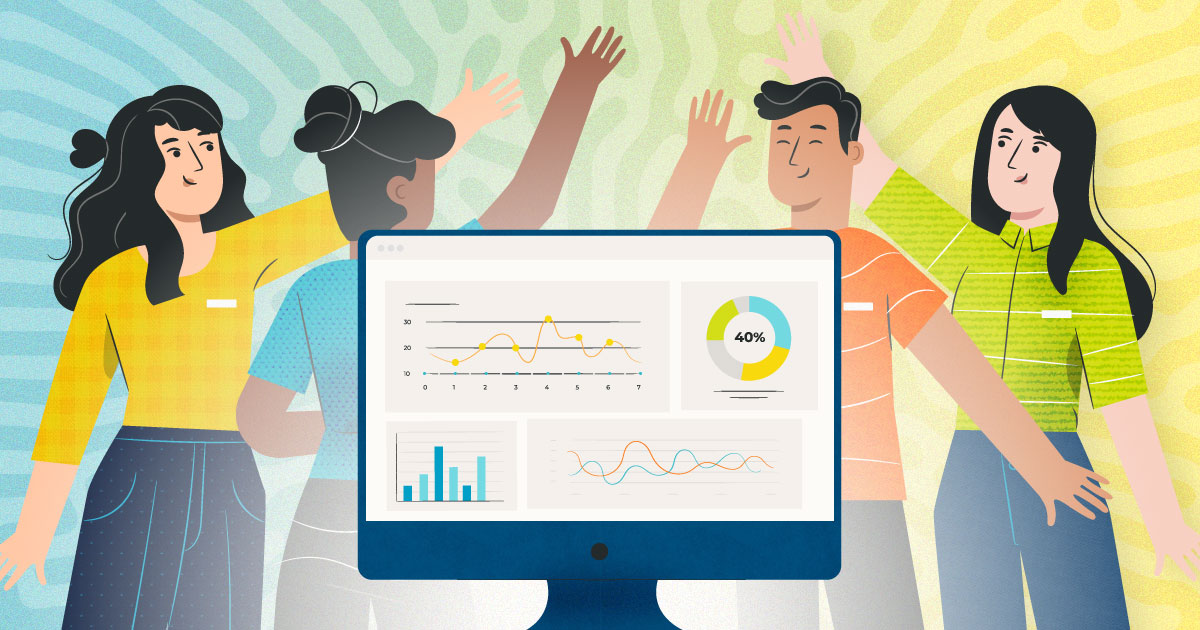
Here's a sobering stat: only 21% of employees worldwide are engaged at work. That's down from 23% just last year, according to Gallup's latest workplace report. Even worse? This disengagement crisis cost the global economy $438 billion in lost productivity in 2024 alone.
If you're an HR leader watching your own engagement scores flatline, you're not alone. And you're probably wondering if employee engagement software might be the answer.
But here's the thing – not all engagement platforms are created equal. Some will transform your workplace culture. Others will collect dust faster than that exercise bike in your garage. So, how do you choose employee engagement software that actually works?
The difference comes down to choosing software that drives real behavior change, not just pretty dashboards. That means knowing what features matter most, how to evaluate vendors, and what questions to ask along the way.
In this guide, we’ll walk you through a simple framework to spot red flags, prioritize features that actually move the needle, and choose a solution that fits your culture – not just your tech stack.
Why Your Current Employee Engagement Approach Isn't Working

Picture this: It's performance review season. Your managers are drowning in spreadsheets, trying to remember who did what six months ago. Meanwhile, your star performers are wondering if anyone even notices their hard work.
Sound familiar?
Manual engagement processes create chaos. Managers forget to give feedback. Recognition gets buried in email chains. And those yearly surveys? They’re too little, too late to catch what your team actually needs in the moment.
Here’s the thing: Recognition isn’t just a nice gesture – it’s one of the most powerful drivers of engagement. When people feel seen and appreciated for their work, they’re more likely to stay motivated, loyal, and connected to your company’s mission.
The real problem isn’t a lack of care. Team members likely want to support and acknowledge each other. But when it takes several steps and multiple tools just to give someone a shout-out, it often gets skipped.
Today’s engagement challenges call for modern solutions. Recognition and feedback should be simple, fast, and part of everyday life, not another chore on an already packed to-do list. That’s where employee engagement software comes in, and why choosing the right one matters.
Essential Features Every Employee Engagement Platform Must Have

Let’s cut through the marketing fluff. These features aren’t nice-to-have extras – they’re the must-haves for any platform worth your investment.
Real-Time Pulse Surveys
Forget the long annual surveys that take weeks to analyze and rarely lead to action. You need pulse surveys that capture how your team feels right now. Look for platforms that let you send quick, targeted questions and get instant insights into team morale.
The best systems automatically track trends and alert you when engagement dips, so you can address issues early.
Recognition That Goes Beyond Peer-to-Peer
Yes, peer recognition matters. But the most impactful recognition often comes from managers and leaders. Gallup research shows that 28% of employees say their most meaningful recognition came from their manager, and 24% cite high-level leaders.
Your platform should make it easy for everyone – from peers to executives – to acknowledge great work.
Extensive Rewards Marketplace
Some platforms promise exciting rewards, but fall short with limited inventory, surprise fees, or gift cards no one really wants.
Look for platforms with transparent pricing, global reward options, and reliable fulfillment – so your team can actually enjoy the recognition they’ve earned.
Analytics and Reporting Dashboards
Data should help you take action, not just sit on a dashboard. Look for clear insights that support better decisions, like engagement trends, recognition patterns, and how these tie back to performance. Pretty charts are nice, but actionable data drives real change.
Integration Capabilities
Your team already has enough tools to manage. The right engagement software should integrate smoothly with what you already use, such as Microsoft Teams, Slack, Outlook, and your HRIS.
Top platforms offer 40+ integrations and fit into existing workflows fast and without extra overhead.
Mobile Accessibility for Remote and Hybrid Teams
Remote work isn’t going anywhere. Your engagement platform should work seamlessly on mobile, allowing your team to recognize each other, respond to surveys, and redeem rewards – wherever they are.
Extensive Customer Service and Support
Strong support makes all the difference. Some platforms stop at onboarding, but others go further.
For example, Applauz offers Hypercare customer service – hands-on guidance that continues well after launch, with strategic support to help you build and grow a sustainable recognition program.
Advanced Employee Engagement Software Features That Separate Good from Great

Once you’ve got the essentials in place, a few next-level capabilities can help you go even deeper with your engagement strategy.
Sentiment Analysis Insights
Some platforms go beyond basic participation metrics and track employee sentiment trends across different aspects of the workplace experience. These insights help you identify shifts in satisfaction and engagement levels across teams, departments, or specific topics before they become widespread issues – so you can address concerns early and with more targeted interventions.
Custom Survey Builders
One-size-fits-all surveys don’t always capture what’s going on in different parts of your organization. Look for tools that let you customize questions by team, department, or project, making feedback more relevant and easier to act on.
Goal-Based Recognition
Tying recognition to specific achievements helps reinforce the behaviors and outcomes that matter most. When employees can see a direct connection between their efforts and the praise or rewards they receive, engagement tends to stick.
These features aren’t essential for every organization, but they can provide significant advantages for companies ready to build a more personalized and responsive engagement strategy.
How to Evaluate Employee Engagement Software Vendors

How to Evaluate Employee Engagement Software Vendors
Shopping for employee engagement software can feel a lot like online dating. Everything looks good on paper, but what really matters is how well it fits your people and your culture.
Here’s what to pay attention to when vetting platforms:
Demo Evaluation Checklist
During vendor demos, pay attention to these critical factors:
- How intuitive is the user interface? (If the demo needs extensive explanation, your team won't use it)
- Can you complete everyday tasks quickly? (Recognition should take seconds, not minutes)
- How responsive is the mobile experience?
- Do integrations work seamlessly or require workarounds?
Pricing Transparency
Beware of the “contact for pricing” trap. Some vendors keep their pricing vague, which makes it tough to budget and plan ahead. Applauz publishes clear, upfront pricing – so there are no surprises or hidden fees down the line.
If a vendor makes you sit through three sales meetings just to get a quote, imagine how hard it’ll be to get timely support when you need it.
Questions to Ask During Sales Calls
Don't let smooth-talking sales reps distract you from these essential questions:
- What's your average implementation timeline?
- How do you measure customer success beyond software adoption?
- What ongoing support do you provide for program strategy?
- Can you show us real customer engagement improvement data?
- What happens if we need to integrate with custom systems?
ROI Calculation Methods
Speaking of ROI – how do you know if employee engagement software actually pays off? Use an ROI calculator to model potential returns based on reduced turnover, increased productivity, and improved retention rates.
Think of a strong vendor not just as a seller of software, but as a partner in your engagement journey. The best ones are transparent about pricing, realistic about timelines, and focused on your success, not just the sale.
Success Story: How Tricap Residential Group Transformed Their Culture

Sometimes the best way to understand software impact is seeing it in action. Tricap Residential Group is a real estate firm based in Chicago with fewer than 200 employees across the U.S.
Known for their strong values and award-winning culture, their HR team still saw room to grow, especially when it came to making recognition and rewards more impactful.
Before using Applauz, Tricap had a system in place for surveys and shoutouts. But it lacked a way to turn recognition into something more meaningful. Employees were being thanked, but there wasn’t a way to reward top performers or easily track how people were feeling at work.
That changed when they launched Applauz.
The team quickly rolled out the platform with help from Applauz’s onboarding support, customizing it to reflect their company culture. From the start, employees could send recognition across departments, and leadership led by example, using the platform actively to encourage company-wide adoption.
Today, Tricap uses features like peer-to-peer recognition, pulse surveys, and points-based rewards to build connections across remote, hybrid, and in-office teams. Weekly survey reports help HR stay in tune with employee sentiment, while recognition and rewards give everyone a consistent way to feel seen and appreciated.
With Applauz, Tricap has made recognition part of the everyday – helping their culture grow stronger no matter where their people work.
Conclusion: Your Next Steps

Choosing employee engagement software doesn't have to feel overwhelming. Use this framework to evaluate your options:
Essential Features Checklist:
- Real-time pulse surveys with actionable insights
- Multi-level recognition capabilities
- Transparent rewards marketplace
- Integration with existing tools
- Mobile-optimized experience
- Partnership-level customer support
Evaluation Process:
- Test platforms with hands-on demos
- Verify pricing transparency and implementation timelines
- Ask tough questions about ongoing support and success metrics
- Calculate potential ROI using realistic engagement improvement scenarios
Final Recommendations
Start with your biggest engagement pain points. Are managers struggling to give timely feedback? Focus on platforms with strong recognition workflows. Is low survey participation killing your insights? Prioritize user-friendly pulse survey capabilities.
Remember, the benefits of employee engagement software extend far beyond digital recognition badges. When evaluating your options, consider looking at comparisons of the best employee engagement software to understand how different platforms stack up against these essential criteria. The right platform becomes the foundation for a culture where people feel valued, heard, and motivated to do their best work every day.
If you're looking for a platform that checks every box on this framework, Applauz is built to support each of these areas – from transparent pricing and quick setup to hands-on, partnership-level support that helps your culture strategy succeed long term.
Your employees are waiting for you to make work better. With the right engagement software, you can turn scattered good intentions into a systematic culture shift that drives real business results.
The question isn't whether you need employee engagement software – it's whether you'll choose a platform that actually delivers on its promises. Use this guide, ask the tough questions, and don’t settle for anything less than software that makes engagement feel effortless for everyone involved.