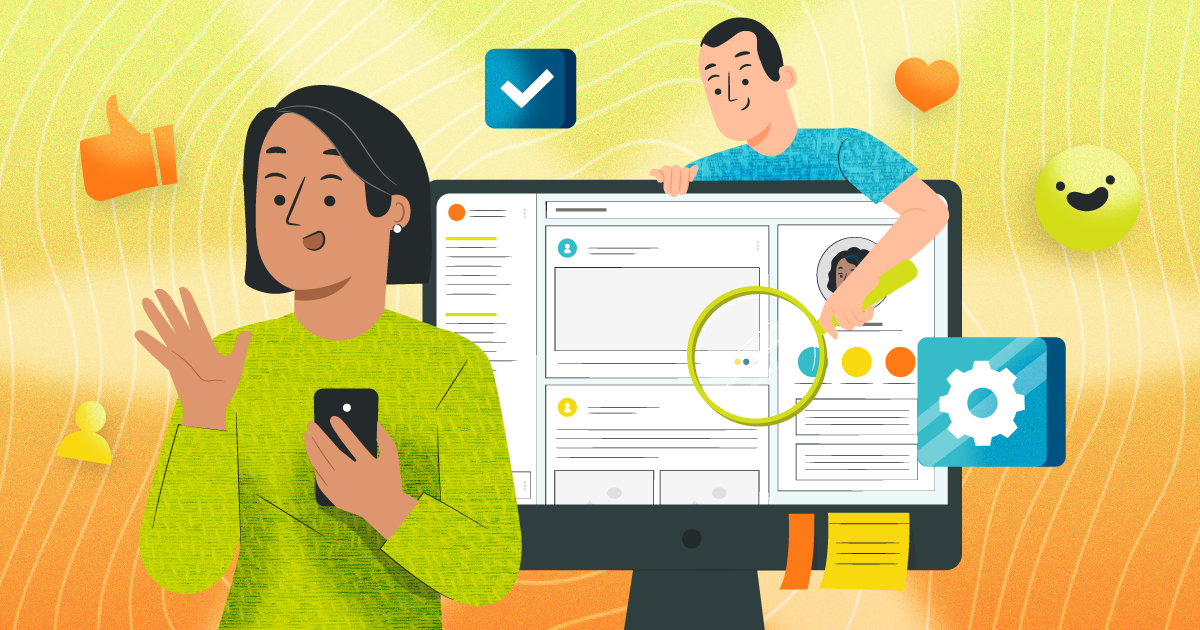
Picture this: Sarah walks into Monday morning feeling genuinely excited about work. She recently delivered a big project and got positive feedback from her manager. She feels connected to her team even with a hybrid schedule.
What's the secret? Her company invested in employee engagement software that transformed workplace culture from the ground up. People give each other shout-outs on a regular basis. There are fun rewards. And HR recently revamped the compensation structure and benefits package after running an employee survey.
Meanwhile, companies without engaged employees are hemorrhaging money. A recent Gallup report revealed that disengaged workers cost organizations between $450-550 billion annually in lost productivity. That's not just a number—it's a wake-up call.
But here's the encouraging news: employee engagement software can flip this script entirely. Companies using these platforms see remarkable transformations in retention, productivity, and overall business performance.
What Is Employee Engagement Software?

Think of employee engagement software as your organization's central nervous system for workplace satisfaction and performance. These platforms combine multiple tools into one cohesive ecosystem designed to measure, improve, and sustain employee engagement.
You'll find two main types in the market: standalone engagement platforms that focus exclusively on engagement metrics, and integrated HR suites that bundle engagement tools with broader human capital management features. The choice depends on your current tech stack and specific organizational needs.
Most engagement platforms come with a similar set of core features that support ongoing communication, recognition, and feedback. Here’s what you can typically expect:
- Pulse surveys to quickly gauge how your team is feeling
- Peer-to-peer recognition so employees can celebrate each other’s wins
- Real-time feedback tools that keep conversations open and timely
- Communication hubs that centralize updates and connect teams across locations
- A rewards marketplace where employees can choose meaningful incentives
- An analytics dashboard to track engagement trends and surface actionable insights
These features work best when they're part of a comprehensive platform designed for your organization's size and culture. To see how leading platforms compare across these capabilities, check out our analysis of the best employee engagement platforms.
10 Benefits of Employee Engagement Software

1. Lower turnover
According to Gallup, the cost of replacing an employee can range from one half to two times the employee's annual salary. For a $60,000 position, that's potentially $120,000 walking out the door. The worst part? Gallup data shows that 42% of employee turnover is preventable. But here's where it gets powerful: you can intervene before these employees reach the breaking point.
Employee engagement software acts like an early warning system. Through regular pulse surveys and sentiment analysis, it flags signs of disengagement like declining survey scores, reduced participation in company activities, or negative feedback patterns.
Maybe someone needs clearer career development opportunities. Perhaps they're feeling disconnected from their manager. Reducing preventable turnover keeps valuable people—and money—in your organization.
2. Higher productivity
Engaged employees aren't just happier—they're dramatically more productive. According to Deloitte, organizations with engaged employees are 57% more effective than those with low engagement levels.
Recognition tools within engagement software create positive feedback loops that amplify performance. When an employee receives timely recognition for excellent work, they're more likely to repeat those behaviors. It's basic psychology, but it works.
Consider the ripple effect: One engaged employee recognizing a colleague's contribution publicly can inspire others to step up their game. These small moments of appreciation compound into major cultural shifts over time.
Employee engagement software also enables managers to spot high performers who might otherwise fly under the radar. Those quiet achievers who consistently deliver quality work finally get the recognition they deserve—and often respond by raising their performance even higher.
3. Stronger company culture
Culture isn't just a buzzword. It's becoming the primary differentiator for attracting and retaining talent. In competitive job markets, candidates choose companies where they feel valued and connected.
Employee engagement software facilitates the daily interactions that build strong culture. Peer-to-peer recognition platforms let team members celebrate each other's wins spontaneously. This creates a culture of appreciation that flows both ways—up to leadership and across departments.
The beauty lies in micro-engagement moments like a quick thank-you or a shout-out for problem-solving. Over time, these gestures build a culture where people want to do their best work.
A Gallup study showed that 80% of employees who say they have received meaningful feedback in the past week are fully engaged (and that’s regardless of how many days they worked in the office.) That engagement translates directly into measurable business results—and engagement software makes it scalable.
Plus, when you track and measure culture initiatives, you can see what's working and what needs adjustment. No more guessing whether your culture-building efforts are making an impact.
4. Better decision-making
Gone are the days of making HR decisions based on gut feelings or outdated annual surveys. Modern engagement software provides real-time analytics that reveal exactly what's happening in your organization.
Recognition data shows which behaviors and achievements matter most to your teams. Survey responses highlight emerging concerns before they become widespread problems. Performance correlations help identify what truly drives results in your specific environment.
This intelligence enables evidence-based management decisions. Should you invest more in professional development programs? The data will show if skill-building correlates with higher engagement scores. Wondering about optimal team sizes? Analytics can reveal engagement patterns across different group configurations.
Some platforms even offer predictive analytics that flag employees at risk of leaving, giving you a head start on retention before it’s too late.
5. More collaboration, fewer silos
Many organizations struggle with departmental silos that limit collaboration and innovation. Engagement software naturally encourages cross-functional connections through recognition and communication features.
When someone from marketing recognizes a finance team member for exceptional support during budget planning, it strengthens interdepartmental relationships. These connections often lead to improved collaboration on future projects.
The transparency that comes with open recognition feeds also helps teams understand how their work impacts other departments. A customer service rep can see how their efforts contribute to overall customer satisfaction scores. A developer can track how their code improvements affect user experience metrics.
6. Streamlined employee recognition efforts
Traditional recognition programs often suffer from inconsistency and timing issues. Annual awards ceremonies are nice, but they miss countless daily contributions that deserve acknowledgment.
That’s where automation helps. With the right tools, you can build in gentle prompts for managers to recognize recent wins, surface peer nominations for leadership, and automatically mark key milestones like work anniversaries—so appreciation becomes part of the everyday, not an afterthought.
You can also give employees more say in how they’re recognized. Instead of defaulting to generic gift cards, they can choose rewards that actually match their interests and values. For example, the Applauz Rewards Marketplace lets employees redeem points for experiences and items they’ll actually enjoy, making recognition feel more personal and impactful.
Consistency is also key. Regular recognition creates positive momentum that sustains engagement over time, rather than the occasional spike followed by long periods of silence.
If you're just getting started, launching a recognition program is one of the simplest ways to spark engagement and boost morale right away.
7. Continuous feedback and improvement
Annual performance reviews are becoming extinct for good reason—they're too infrequent to drive meaningful change. According to Gallup, employees are 3.6 times more likely to be motivated when they receive daily feedback from their managers compared to annual reviews.
Continuous feedback creates a culture of improvement rather than judgment. Instead of dreading annual reviews, employees engage in ongoing conversations about growth, challenges, and opportunities. This approach reduces anxiety and increases the likelihood that feedback leads to actual change.
As for employee feedback, real-time pulse surveys capture sentiment when it's fresh and actionable. If a policy change causes concern, you'll know within days rather than waiting months for the next engagement survey. This responsiveness builds trust and demonstrates that leadership actually listens to employee input.
The speed of issue identification and resolution improves dramatically. Problems that might have festered for months get addressed quickly, preventing minor frustrations from evolving into major engagement killers.
8. Remote and hybrid teams stay connected
Without water cooler conversations and casual interactions, teams can feel disconnected despite being more productive than ever.
Digital connection tools within engagement platforms bridge this gap effectively. Virtual recognition ceremonies bring distributed teams together to celebrate achievements. Online collaboration spaces maintain the social bonds that fuel great teamwork.
Statistics show that remote workers often struggle with feeling isolated and underappreciated. Engagement software provides structured ways to keep culture consistent across the board and ensure remote team members receive the same recognition and feedback opportunities as their office-based colleagues.
9. Positive ROI
The connection between employee engagement and business performance isn't theoretical—it's statistically proven. Companies with highly engaged workforces see 23% higher profitability, 18% higher productivity, and 10% better customer loyalty and engagement, according to Gallup.
Engaged employees create better customer experiences because they care about the outcome of their work. They go beyond the minimum requirements to solve problems and exceed expectations. This translates directly into improved customer satisfaction scores and increased revenue.
ROI from engagement investments becomes measurable when you track engagement metrics alongside business results. You can see how improvements in recognition frequency correlate with productivity gains, or how enhanced communication impacts project completion times.
Smart organizations treat engagement software as a business investment, not an HR expense. The returns—reduced turnover costs, increased productivity, improved customer satisfaction—far outweigh the costs.
10. Smarter HR workflows
HR teams already juggle dozens of priorities with limited resources. Platforms like Applauz reduce the administrative burden by automating routine processes that previously required manual coordination.
With Applauz, you can schedule and launch pulse surveys in just a few clicks, automate work anniversary reminders, and get real-time analytics without digging through spreadsheets or pulling data from different tools.
This automation frees you to focus on strategic initiatives rather than administrative tasks. Instead of spending hours compiling engagement reports, you can analyze trends and develop targeted strategies.
The time savings extend beyond HR. Managers can streamline recognition efforts and spend more time on meaningful coaching conversations.
Choosing the Right Employee Engagement Software

Not all engagement platforms are created equal. Before you commit, it’s worth taking a step back and thinking about your team’s current needs and capabilities. Here are a few factors to keep in mind:
Ease of use
If it’s clunky or hard to navigate, people won’t use it—and that can make even the best HR strategy fail. Go for something that feels intuitive from the start. The best employee engagement platforms make it easy to jump in and participate without needing a bunch of training.
Integration capabilities
Your engagement tool should play nicely with the systems you already use, such as your HRIS, Slack, or other internal tools. When everything connects smoothly, it saves time and keeps your data in one place.
Mobile-friendliness
Let’s face it: people aren’t always at their desks. Whether they’re remote, on the floor, or checking in between meetings, employees should be able to recognize a colleague or fill out a quick survey from their phone without frustration.
Analytics and reporting
Some teams just need a clear snapshot. Others want deeper analytics or even predictive trends. There’s no one-size-fits-all here. Choose something that matches how your team makes decisions and tracks progress.
Scalability
A platform built for a massive enterprise might be too much for a midsize company. But something too basic could limit you down the line. Find a tool that meets your current needs but won’t feel like a squeeze six months from now.
If you're ready to evaluate specific options, our comprehensive platform comparison breaks down how leading solutions stack up across these criteria. We've also created a guide to help you ask the right questions during vendor evaluations.
Your Engagement Journey Starts Here

The benefits of employee engagement software aren’t just ideas on a list. They show up when a manager gives meaningful feedback, when a peer shouts someone out for a job well done, or when HR can spot patterns before they turn into problems.
As we’ve seen, the impact touches every corner of the employee experience. Better retention. Higher productivity. Stronger culture. And ultimately, a workplace where people feel motivated to do their best work.
But none of it happens by accident. It takes the right tools and a thoughtful approach to make engagement part of how your team operates—not just something you check in on once a year.
That’s where Applauz can help. From simplifying recognition to surfacing real-time insights, Applauz gives you a practical way to keep engagement consistent and meaningful, without adding more to your plate.
Because when people feel seen and supported, they thrive and stay for the long run. And that’s where the real momentum starts.